January 15, 2026


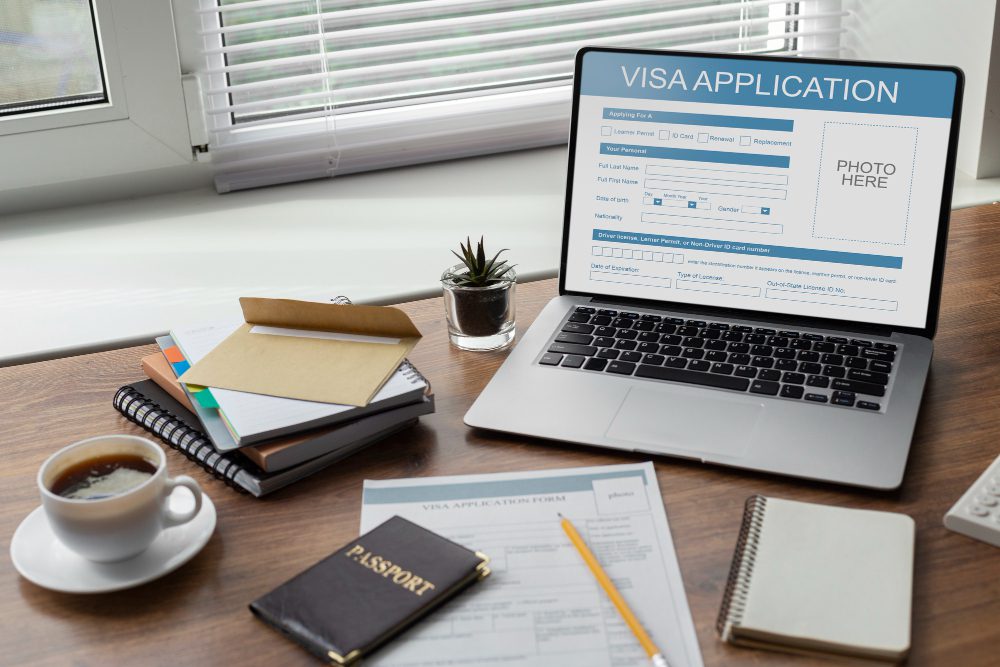
A visa is a document that allows you to enter, stay in, or pass through a country as a foreign national, unless you are visiting a country with a visa-waiver agreement with your home country. The type of visa you apply for and attach to your passport indicates the purpose of your visit. This could be a student visa, tourist visa, or business visa. Today, we will highlight what companies generally need to do to apply for a business visa for their employees. A business visa grants you permission as a foreigner to conduct business-related activities in a country that is not your home country. This visa only applies to the issuing country and does not permit entry into any other nation. Let’s explore the visa management process for a corporation.
Corporate Visa Management involves how companies manage the visa needs of their employees
who travel abroad for business, projects, training, or long-term assignments. For companies in the
Indian IT sector, consulting agencies, oil and gas industries, manufacturing sectors, and multinational firms, corporate visa management is crucial because international mobility is key to their operations.Since employees travel for work-related activities, it is the company’s responsibility to facilitate their visa arrangements and applications.
Managing corporate visas is clearly a responsibility for visa management team. However, it can be
complex, as it requires navigating the requirements set by foreign countries. Thus, a structured
checklist is essential to ensure all necessary information is provided and procedures are completed.
A general checklist for Indian citizens should include:

The Visa team must ensure that employees submit travel reports after returning to verify that they completed the planned activities. All visa documents should be filed for audit purposes.
Organizations whose employees frequently travel for work usually have a corporate desk dedicated to handling all visa and travel needs. Compliance with business travel visas in India involves following the rules of the host countries and coordinating with agencies like VFS Global, obtaining MEA attestations, police clearance certificates, and preparing all necessary documents as required by each country. Requirements may vary by country. Additionally, these corporate visa desks should stay updated on the political climates and legal changes regarding immigration laws in the countries where employees travel. Companies like OIL India, ONGC, and Infosys have effectively sent employees abroad for business.
Gilpin Travel is here to help you every step of the way with visa compliance. We’re just a call or email away.


Looks like you’ve been inactive for a while.
Discover more about Gilpin Travel Management and explore our services today!
Please take a minute to share your thoughts on our website.
Your input helps us improve and serve you better.
How easy was it to find the information you were looking for?
How would you rate the overall look and feel of the website?
Was the information on the site clear and useful?
How was your browsing experience?
What’s one thing we could improve to make your experience better?
Thank you for taking the time to share your thoughts.
Every suggestion helps us make your experience better.